
15-Minute Home Layout Reset for a Cozy, Functional Space

Home Layout Checklist: A Simple Reset for a Cozy, Functional Home (That Stays That Way)
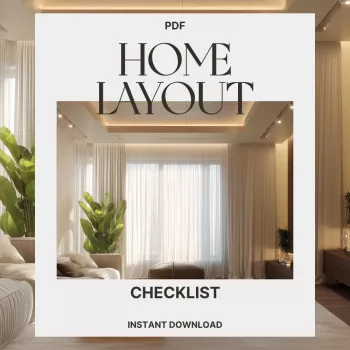
A cozy home isn’t about having more stuff or a bigger space—it’s about a layout that supports real life: clear pathways, easy routines, and zones that feel good to use. Our Home Layout Checklist (digital download) is built for quick decisions and steady maintenance, so your home can feel calm and workable on regular days (not just right after a big clean).
What “cozy and functional” looks like in everyday life
You’ll feel the difference when your rooms stop fighting your routines. A cozy, functional layout tends to share a few repeatable signals:
- Paths feel open. You can walk through the room without detouring around furniture or floor piles.
- Most-used items live closest to where they’re used. Shoes by the door, mugs near the kettle, chargers near the sofa or bed.
- Seating and surfaces match real habits. You have a place for a drink, a bag, a book, and a blanket—without the floor becoming the default.
- Lighting supports both mood and tasks. Warm light for cozy corners, brighter light for reading and work.
- Cleaning is “layout-friendly.” You can vacuum or sweep without moving five things first.
When these pieces are in place, the home feels easier to maintain—and that ease matters. Chronic stress can show up in daily routines and well-being, and simplifying friction points at home supports calmer days (see the American Psychological Association’s reporting on stress and well-being: APA: Stress in America).
How the Home Layout Checklist digital download helps (and when to use it)
Our team designed the checklist for the moments when you need progress without turning your weekend into a renovation.
- Use it when a room feels crowded, hard to tidy, or like it’s never quite finished—even after cleaning.
- Use it seasonally (back-to-school, winter nesting, spring refresh) to re-align storage and traffic flow with current routines.
- Use it before buying organizers or new furniture to confirm the layout is doing the heavy lifting first.
- Keep it bite-sized: assess, adjust, and maintain—so you’re not redoing the same decisions every week.
If you want the layout foundation plus a calmer “feel” across the home, pair the checklist with our Turning Any Space into a Relaxing Retreat (digital guide) for atmosphere planning after your zones and pathways make sense.
The 15-minute layout reset: the order that prevents re-doing the same work
If you only have a short burst of energy, order matters. This sequence reduces “undoing” your own progress.
Step 1: Clear the movement lanes first
Start with doorways, the main walkway, the kitchen work triangle, and hallway pinch points. Removing friction here makes everything else feel lighter immediately.
Step 2: Re-center the room’s main function
Choose the primary job (rest, eat, work, play). When the layout supports the main job, clutter has fewer excuses to collect.
Step 3: Place the biggest pieces lastingly
Step 4: Assign drop zones
Step 5: Do a reach test
Quick reset checklist (room-by-room)
| Room | Fastest layout win | What to watch for |
|---|---|---|
| Entry / hallway | Add a single landing zone: hooks + tray/bowl + shoe spot | Bags and shoes spreading past the doorway |
| Living room | Make a clear path to seating and one surface per seat | Coffee table too far/too small, cords crossing walkways |
| Kitchen | Group zones: prep, cook, coffee, snacks | Counters used as permanent storage |
| Bedroom | Clear the floor and create a calm bedside zone | Laundry piles with no defined container flow |
| Bathroom | Keep only daily-use items visible; store backups elsewhere | Overflow products taking over the sink edge |
Cozy layout basics that don’t depend on square footage
Comfort is also practical: better evening wind-down routines and calmer bedroom zones can support sleep habits over time (see NIH News in Health: How to Get a Good Night’s Sleep).
Functional layout rules that keep mess from coming back
If you’re moving furniture during your reset, keep basic safety in mind—especially with tall pieces and homes with kids or pets. The U.S. Consumer Product Safety Commission has practical guidance here: CPSC: Furniture Tip-Over Prevention.
Maintaining a cozy, functional home layout (without constant overhauls)
Pair it with a calming atmosphere plan for a full-home refresh
If you want that second layer, our team recommends combining the Home Layout Checklist (digital download) with Turning Any Space into a Relaxing Retreat (digital guide) so function and feel improve together.
Recommended downloads from our shop
- Home Layout Checklist | Digital Download for a Cozy & Functional Home | How to Maintain a Cozy and Functional Home Layout
- Turning Any Space into a Relaxing Retreat | Digital Guide on How to Create Relaxing Atmosphere at Home, Office, or Studio | Serenity Design eBook for Mindful Living
- True Summer Colors: Unlock Your Cool, Soft, and Sophisticated Palette | True Summer Color Palette Guide for Wardrobe, Makeup & Decor | Digital Download
FAQ
How fast can a layout checklist make a room feel better?
You can usually get noticeable relief in 15–30 minutes by clearing walkways, defining one or two drop zones, and adjusting spacing around the main furniture. Deeper improvements often come from a second pass that relocates frequently used items closer to where you actually use them.
What if the room has to do multiple jobs (work, relax, play)?
Create 2–3 clear zones using simple boundaries like a rug, lighting, or furniture angle. Store “mode-specific” items in bins so you can swap modes quickly, and reset the main surfaces when you transition from one use to another.
How do you keep a cozy layout from turning into clutter again?
Make returns one-step whenever possible, and keep a single catch-all tray or basket per room so loose items don’t spread. A weekly 10-minute reset and treating recurring piles as signals to move storage closer to the action are what keep the gains.




Leave a comment